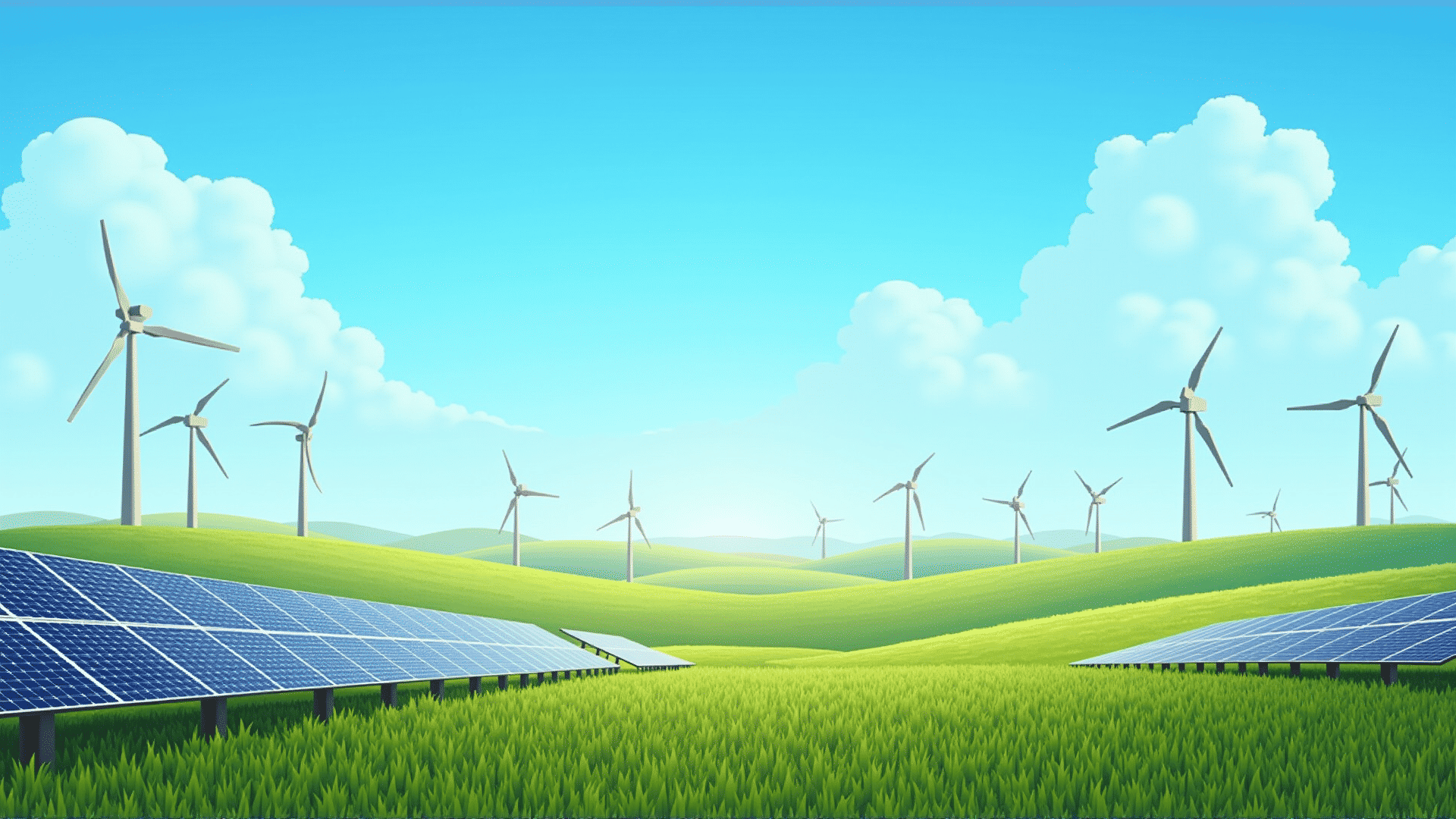
As the global community faces the pressing challenges of climate change, depleting natural resources, and increasing energy demands, the focus has shifted towards harnessing renewable resources to create sustainable energy solutions. Renewable energy, derived from natural processes that are replenished at a higher rate than they are consumed, presents a pathway toward a greener and more sustainable future.
One of the cornerstones of renewable energy is solar power, which converts sunlight into electricity using photovoltaic cells. The remarkable advantage of solar energy is its abundance; the sun’s energy reaching the earth in one hour exceeds the global energy consumption for an entire year. Advances in technology have greatly decreased the cost of solar panels, making it one of the most viable options for widespread adoption. Moreover, solar power installations can be scaled up or down, making them suitable for large power plants as well as individual homes.
Wind energy is another crucial component of the renewable energy spectrum. Harnessing wind power involves using turbines to convert kinetic energy from the wind into mechanical power that can be transformed into electricity. Wind farms, both onshore and offshore, have seen substantial growth due to technological innovations that have enhanced efficiency and reduced costs. Wind energy is particularly appealing because it generates power without emitting carbon dioxide or other harmful pollutants.
Hydroelectric power remains one of the oldest and most established forms of renewable energy. By using the gravitational force of falling or flowing water, hydroelectric systems can generate significant amounts of electricity. While traditional dams can impact local ecosystems, newer approaches like run-of-the-river systems aim to minimize environmental disruption while still providing renewable energy.
Emerging technologies are also tapping into geothermal energy, which uses the earth’s natural heat to generate electricity and provide direct heating applications. Geothermal plants operate with a small land footprint and have the distinct advantage of providing a stable and reliable power supply, unaffected by weather conditions.
Biomass energy, derived from organic materials like plant and animal waste, offers a renewable alternative to fossil fuels. By converting biomass into biofuels like ethanol and biodiesel, it is possible to produce energy with a lower carbon footprint. However, the sustainability of biomass energy depends heavily on responsible sourcing and the management of feedstocks.
Tidal and wave energy represent promising areas of exploration. Both take advantage of the ocean’s natural movements to produce electricity. While these technologies are still in the development stage compared to more mature renewables like wind and solar, they hold tremendous potential given the vastness of the oceans and their consistent energy patterns.
Investment in renewable energy is not only essential for environmental sustainability but also for economic growth. The sector generates numerous jobs in engineering, manufacturing, installation, and maintenance. As countries move towards carbon-neutral goals, renewable energy provides a means of reducing reliance on imported fuels, enhancing energy security, and offering a buffer against fossil fuel market volatility.
Government policies play an integral role in the transition to renewable energy. Incentives such as tax breaks, grants, and feed-in tariffs can stimulate the adoption of clean energy technologies. Additionally, international cooperation and agreements, like the Paris Agreement, emphasize the importance of renewable energy in reducing global carbon footprints.
As the world strives for a greener and more sustainable future, renewable energy stands as the cornerstone of this transformation. By harnessing the power of the sun, wind, water, and the earth itself, renewable energy offers clean, inexhaustible, and increasingly cost-effective solutions to meet our energy needs without compromising the planet’s ecological integrity. Through continued innovation and collaboration, we move closer to a future where clean energy is accessible to all, fostering a planet that thrives in harmony with its natural resources.